Archives
- 2026-08
- 2026-07
- 2026-06
- 2026-05
- 2026-04
- 2026-03
- 2026-02
- 2026-01
- 2025-12
- 2025-11
- 2025-10
- 2025-09
- 2025-03
- 2025-02
- 2025-01
- 2024-12
- 2024-11
- 2024-10
- 2024-09
- 2024-08
- 2024-07
- 2024-06
- 2024-05
- 2024-04
- 2024-03
- 2024-02
- 2024-01
- 2023-12
- 2023-11
- 2023-10
- 2023-09
- 2023-08
- 2023-07
- 2023-06
- 2023-05
- 2023-04
- 2023-03
- 2023-02
- 2023-01
- 2022-12
- 2022-11
- 2022-10
- 2022-09
- 2022-08
- 2022-07
- 2022-06
- 2022-05
- 2022-04
- 2022-03
- 2022-02
- 2022-01
- 2021-12
- 2021-11
- 2021-10
- 2021-09
- 2021-08
- 2021-07
- 2021-06
- 2021-05
- 2021-04
- 2021-03
- 2021-02
- 2021-01
- 2020-12
- 2020-11
- 2020-10
- 2020-09
- 2020-08
- 2020-07
- 2020-06
- 2020-05
- 2020-04
- 2020-03
- 2020-02
- 2020-01
- 2019-12
- 2019-11
- 2019-10
- 2019-09
- 2019-08
- 2019-07
- 2019-06
- 2019-05
- 2019-04
- 2018-07
-
br Results br Discussion The process by
2021-03-29
Results Discussion The process by which MBCs differentiate from GC B cell precursors remains mostly uncharacterized, in large part because of the uncertainty surrounding the nature of the precursor Tolcapone receptor within the GC. The identification here of a distinct subset of GC B cells, C
-
E ubiquitin ligases are key players
2021-03-27
E3 ubiquitin ligases are key players in the ubiquitin-proteasome pathway because they catalyse ubiquitination of substrate proteins.39, 40, 41 As important regulators of cellular ubiquitination, E3 ligases are emerging as attractive drug targets, particularly in cancer.42, 43, 44 However, E3 ligases
-
ATRX belongs to the switch sucrose non fermenting SWI SNF
2021-03-27
ATRX belongs to the switch/sucrose non-fermenting (SWI/SNF) chromatin remodeling family, mutations in which cause syndromal mental retardation and downregulation of α-globin expression (Gibbons et al., 1995). Most of these mutations are located in two highly conserved regions of the ATRX protein: a
-
br Enzymes involved in microbial steroid
2021-03-27

Enzymes involved in microbial steroid degradation are generally not expressed constitutively, but they are upregulated depending on which steroid substrates are present [17,81]. Thus, a cell-free extract prepared from testosterone-adapted C. testosteroni ATCC 11996 cells displayed a 1(2)-dehydroge
-
br Subjects and methods br Results br Discussion In
2021-03-27
Subjects and methods Results Discussion In the present study, we found significantly increased CSF levels of IL-4, IL-5, IL-9, IL-10, TNF-α, CXCL8/IL-8, and VEGF-A together with significantly higher detection rates of IL-6, GM-CSF, PDGF-BB and IL-1ra in IHP patients compared with OND patien
-
br Conclusions Present work comprehensively characterizes
2021-03-27
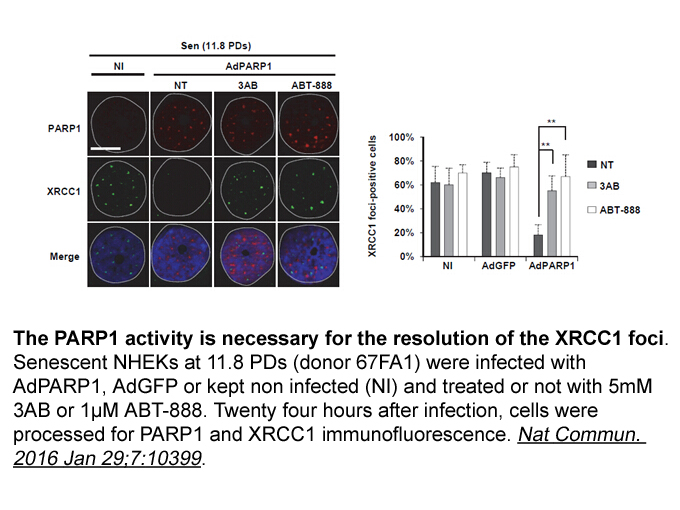
Conclusions Present work comprehensively characterizes the inhibitory activity of Yersinia enterocolitica against cysteine proteases. All tested strains, regardless of their bioserotype, genotype and the presence of virulence markers, synthesized the high-molecular-weight inhibitors of papain and
-
In conclusion we demonstrated phenoconversion of CYP A in
2021-03-27
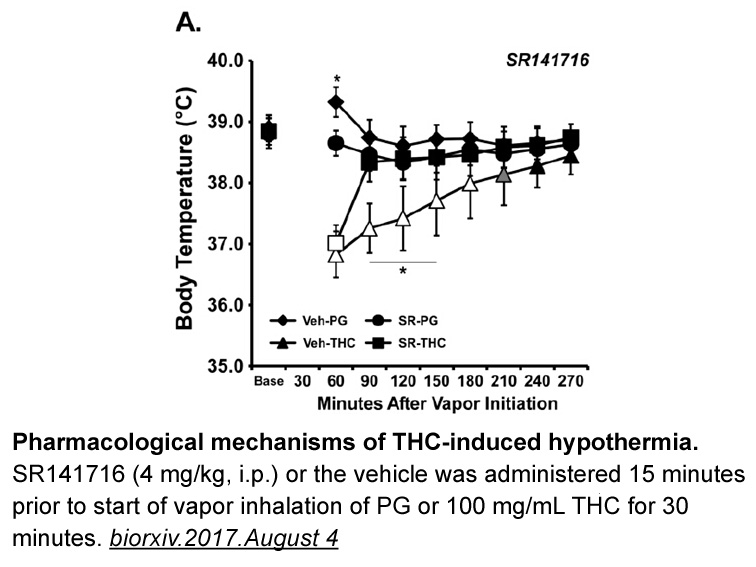
In conclusion, we demonstrated phenoconversion of CYP3A in stable kidney transplant recipients, and that higher plasma indoxyl sulfate concentrations in these subjects may be involved in the phenomenon. The present findings suggest that dose adjustment of drugs metabolized by CYP3A may be needed in
-
br Conclusion br Acknowledgements br
2021-03-27
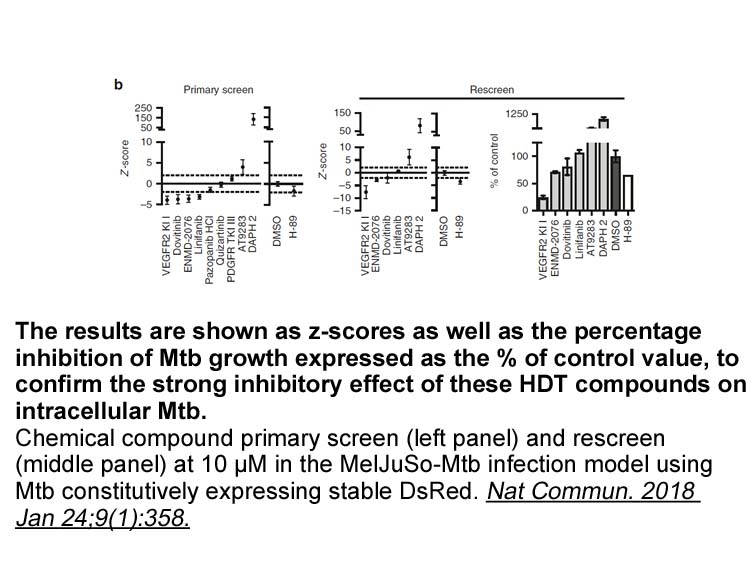
Conclusion Acknowledgements Introduction In recent years, fast progress has been made toward using the supercritical technology in industrial separation processes. Apart from a green extraction process that replaces organic solvents, applications involving supercritical fluids include super
-
br Materials and methods br Results br Discussion
2021-03-27
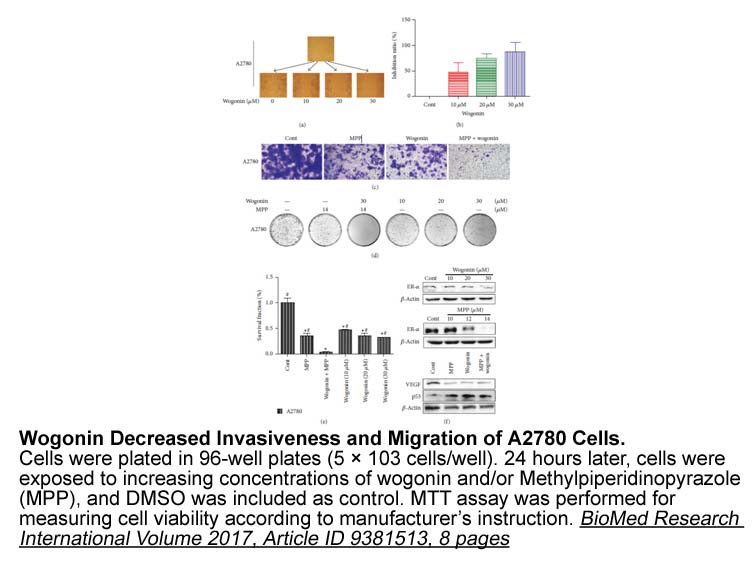
Materials and methods Results Discussion Chicken thrombocyte stimulation with LPS leads to a number of inflammatory responses through TLR4-linked pathways (Scott and Owens, 2008). In mammals, LPS binds to LPS-binding protein (LBP) in the blood serum and this complex is subsequently recogniz
-
In humans individual differences in
2021-03-27
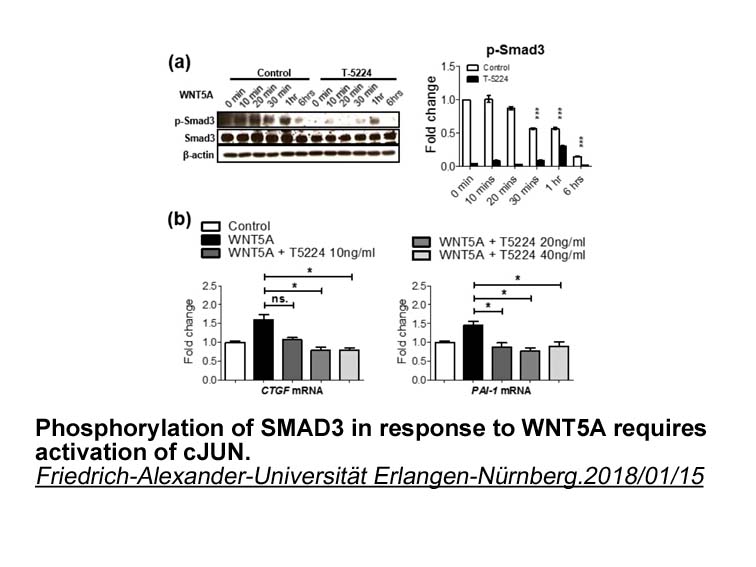
In humans, individual differences in prefrontal dopamine are partially caused by the Val158Met single-nucleotide polymorphism on the catechol-O-methyltransferase gene (COMT). This gene controls activity of the COMT enzyme, which degrades extracellular catecholamines including dopamine. The Val varia
-
Simon discusses this in the remarks and historical notes
2021-03-27
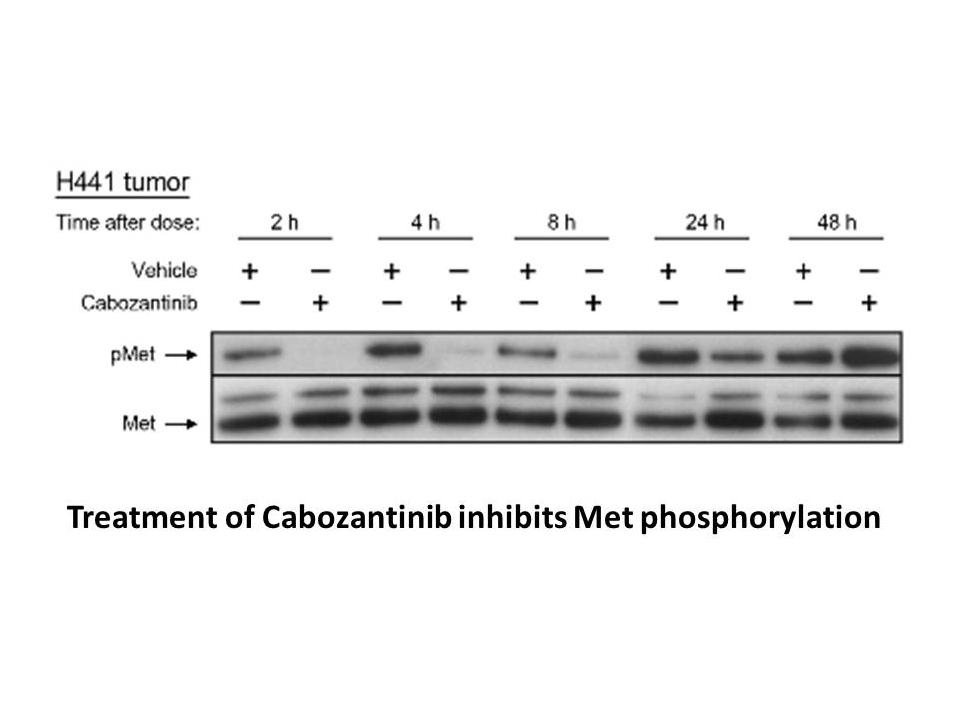
Simon discusses this in the remarks and historical notes section following the general discussion of dynamically defined Verblunsky coefficients; see [12, pp. 706–707]. He points out that “understanding almost periodic Verblunsky coefficients is an intriguing open area” and in particular describes w
-
An increased CK activity was found in
2021-03-27
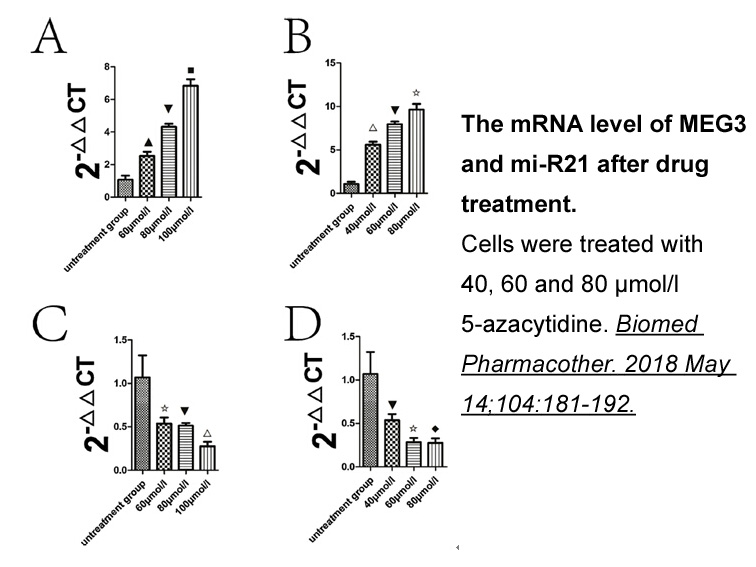
An increased CK2 activity was found in septal neuronal Nicotinamide dissected from rat embryos after hypoglycemia [36]. These data indicated that CK2 activity is not only regulated by insulin but also by the glucose concentration. One essential step in insulin action is the binding of the hormone
-
It should be noted that not only glyphosate
2021-03-27
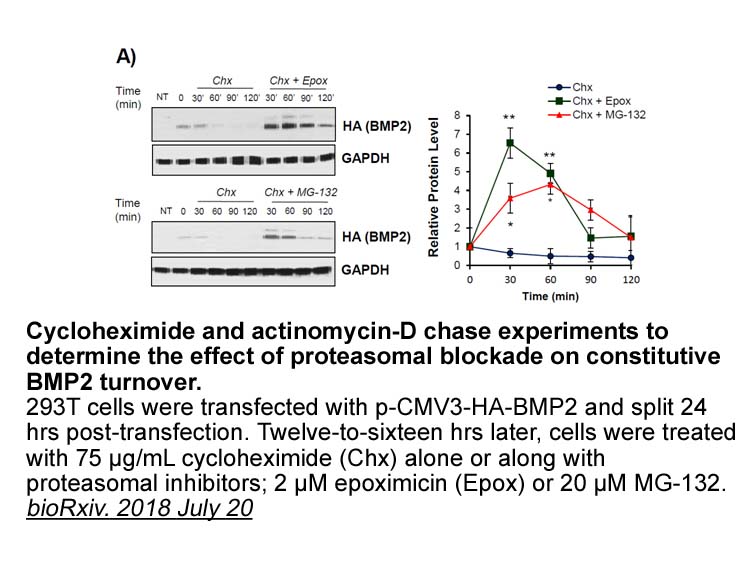
It should be noted that not only glyphosate but E2 at the same concentration range (10−11-10−7 M) also showed similar effects on the expression of the HOAt regulating proteins. Furthermore, we could not see a significant difference among this concentration range of glyphosate and E2 on other tested
-
The upregulation of PTGS and
2021-03-27
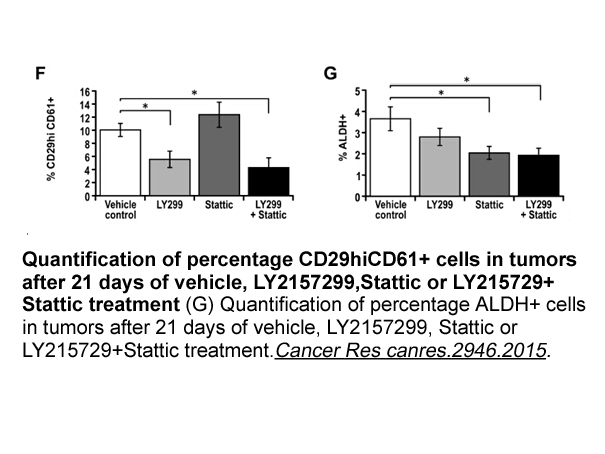
The upregulation of PTGS1 and PTGS2 in late gestation in mares could be linked to the high levels of estrogens produced by the fetoplacental unit. Estrogens are thought to be effective stimulators of prostaglandin production by potentially up regulating PTGS2 expression. Although a recent publicatio
-
Fmoc-Lys(Dnp)-OH br Discussion br Conflicts of interest br A
2021-03-27
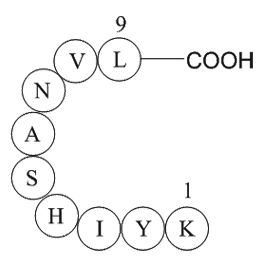
Discussion Conflicts of interest Acknowledgment Introduction Ewing's sarcoma (EWS) is a bone cancer arising mostly in children. In 1921, EWS was originally described as “diffuse endothelioma of bone” by Dr. James R. Ewing, an American pathologist [1]. In 1992, Ewing sarcoma breakpoint re
16553 records 734/1104 page Previous Next First page 上5页 731732733734735 下5页 Last page