Archives
- 2026-08
- 2026-07
- 2026-06
- 2026-05
- 2026-04
- 2026-03
- 2026-02
- 2026-01
- 2025-12
- 2025-11
- 2025-10
- 2025-09
- 2025-03
- 2025-02
- 2025-01
- 2024-12
- 2024-11
- 2024-10
- 2024-09
- 2024-08
- 2024-07
- 2024-06
- 2024-05
- 2024-04
- 2024-03
- 2024-02
- 2024-01
- 2023-12
- 2023-11
- 2023-10
- 2023-09
- 2023-08
- 2023-07
- 2023-06
- 2023-05
- 2023-04
- 2023-03
- 2023-02
- 2023-01
- 2022-12
- 2022-11
- 2022-10
- 2022-09
- 2022-08
- 2022-07
- 2022-06
- 2022-05
- 2022-04
- 2022-03
- 2022-02
- 2022-01
- 2021-12
- 2021-11
- 2021-10
- 2021-09
- 2021-08
- 2021-07
- 2021-06
- 2021-05
- 2021-04
- 2021-03
- 2021-02
- 2021-01
- 2020-12
- 2020-11
- 2020-10
- 2020-09
- 2020-08
- 2020-07
- 2020-06
- 2020-05
- 2020-04
- 2020-03
- 2020-02
- 2020-01
- 2019-12
- 2019-11
- 2019-10
- 2019-09
- 2019-08
- 2019-07
- 2019-06
- 2019-05
- 2019-04
- 2018-07
-
br Introduction Epidermal growth factor
2021-06-11
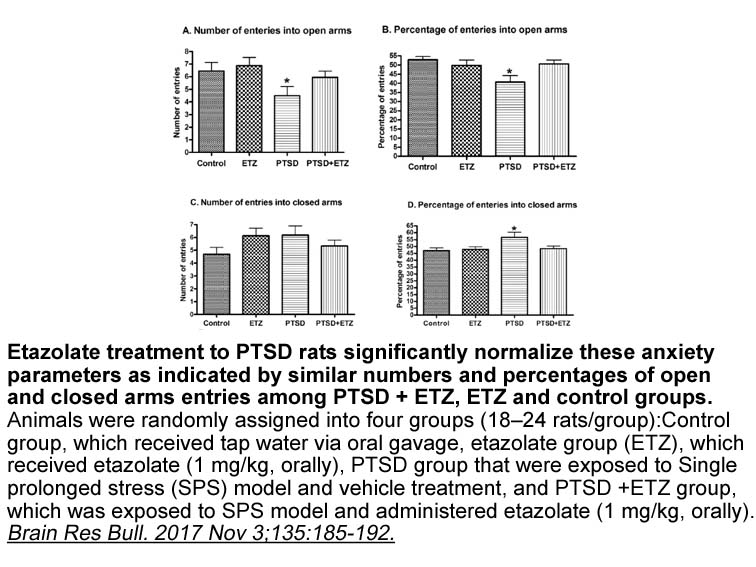
Introduction Epidermal growth factor receptor (EGFR)-activating-mutant non-small cell lung cancer (NSCLC) often initially responds well to EGFR tyrosine kinase inhibitors (TKIs) (Haber et al., 2011); however, the disease almost always recurs about 10–13 months of therapy. Analysis of clinical spe
-
br Analytical improvements Since our review of Oxysterol Met
2021-06-11
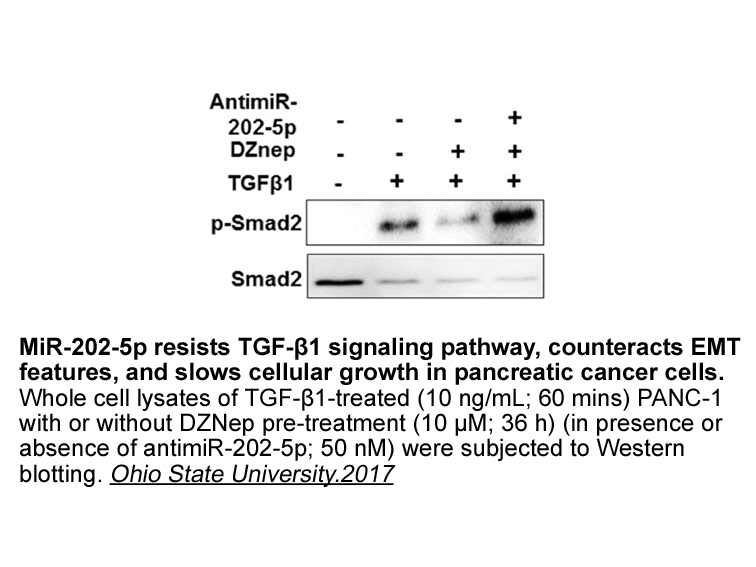
Analytical improvements Since our review of “Oxysterol Metabolomes” in 2011 [7], there have been a number of improvements in analytical methods for the analysis of oxysterols and related compounds. McDonald and colleagues in Dallas have refined their LC-MS methods which are now applicable for ana
-
br Results br Discussion Oxysterols and EBI have
2021-06-11
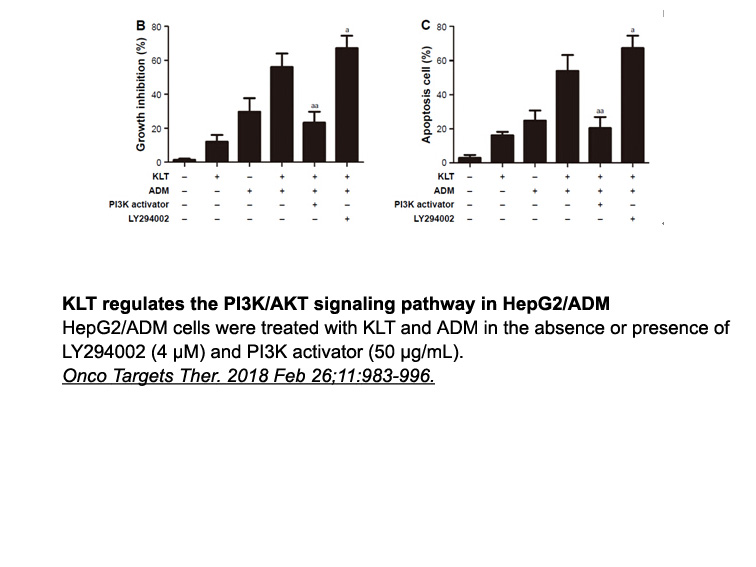
Results Discussion Oxysterols and EBI2 have received growing attention in the field of immunology, with works highlighting an important role for EBI2 in immune cell migration. However, these studies are mainly limited to animal models (Chalmin et al., 2015, Hannedouche et al., 2011, Kelly et a
-
Several studies have indicated that ICT induces activation o
2021-06-11
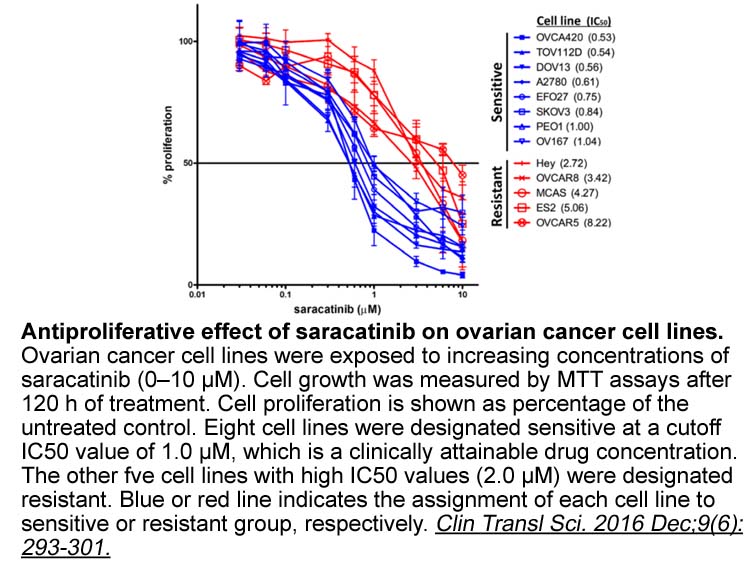
Several studies have indicated that ICT induces activation of ERK and p38 kinase in a variety of cells. The ERK pathway was involved in and partly contributed to the neuroprotective effects in rat neuronal porcn [14] and anticancer effects in several cancer cells [5], [7], [8]. ICT could also simult
-
br Results The AR genotype frequencies are shown
2021-06-11
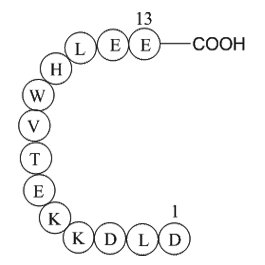
Results The AR genotype frequencies are shown in Table 1. Alleles at the two loci are in linkage disequilibrium, as expected for such closely linked loci and consistent with previous findings (Kittles et al., 2001). The genotype frequency for the DBH 1021 polymorphism is similar to previous find
-
Reports on the participation of NDH along with
2021-06-10
Reports on the participation of NDH2 along with other respiratory complexes in the formation of a large supercomplex (Grandier-Vazeille et al. 2001) or even a respirosome-like structure in S. cerevisiae mitochondria (Matus-Ortega et al. 2015) are very intriguing. Similarly, in Y. lypolytica mitochon
-
As one of the two
2021-06-10
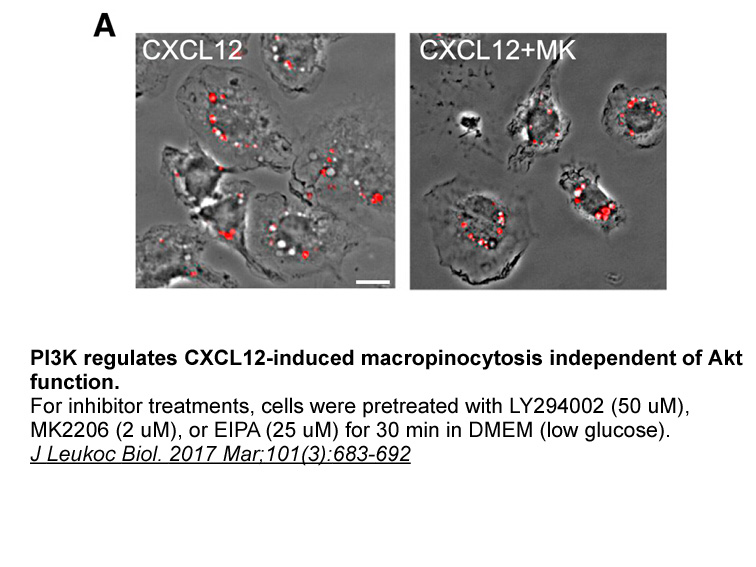
As one of the two receptors for the primordial chemokine CXCL12, ACKR3 exists in jawless fish (Bajoghli, 2013, Nomiyama et al., 2011, Venkatesh et al., 2014). The sea lamprey genome contains two copies of the ACKR3 gene (Ensembl Acc. Nos.: ENSPMAP00000011187 and ENSPMAP00000011401) (Table 1), both e
-
Abha et al reported Natural
2021-06-10
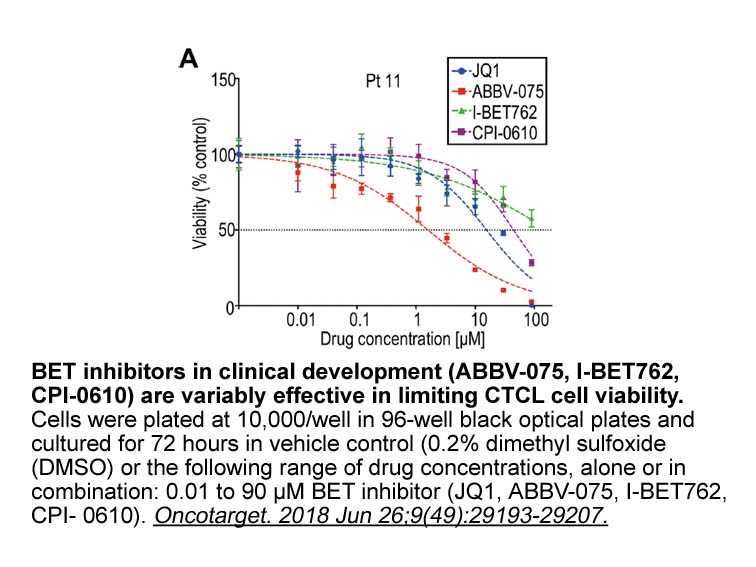
Abha et al. reported Natural coumarinolignoids isolated from the seeds of Cleome viscosa consist of a racemic mixture of cleomiscosins A 19, B 20 and C 21 and were screened for anti-inflammatory activity through mol. docking and QSAR studies by using reported in vivo activity of Swiss albino mice. B
-
Several cholinesterase inhibitors have also been radiolabell
2021-06-10
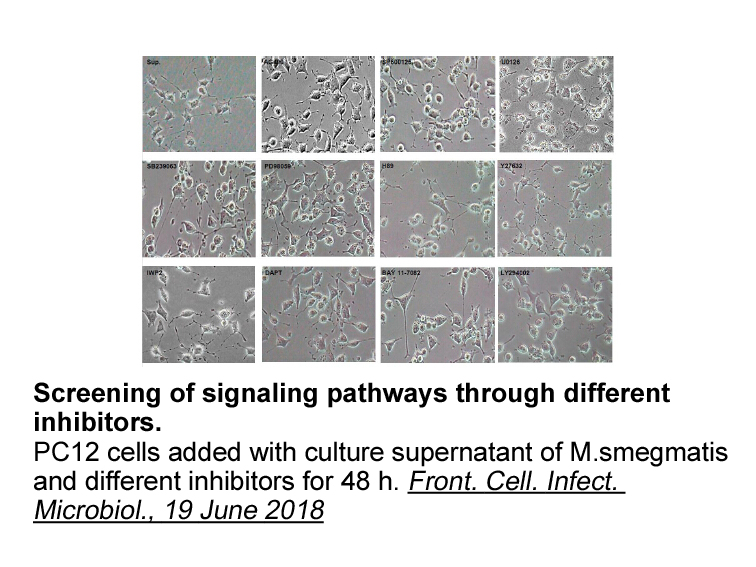
Several cholinesterase inhibitors have also been radiolabelled with 11C as potential cholinesterase imaging agents. These include 11C-donepezil, 11C-methyltacrine, and 11C-physostigmine, which also have had limited success in demonstrating the known histochemically defined cholinesterase distributio
-
Exon encodes a section of the extracellular
2021-06-10
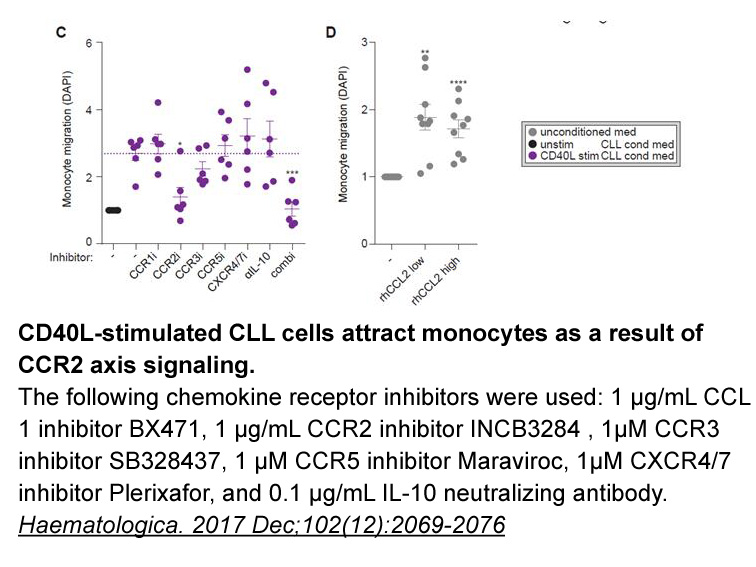
Exon 3 encodes a section of the extracellular ligand-binding domain and two variants in the 5′ region were first identified in Drosophila melanogaster (Semenov and Pak, 1999). These variants were initially termed modules 1 and 2 and correspond to exons 3a and 3b, respectively. To date, exon 3 altern
-
AG-014699 synthesis So what can we glean from
2021-06-10
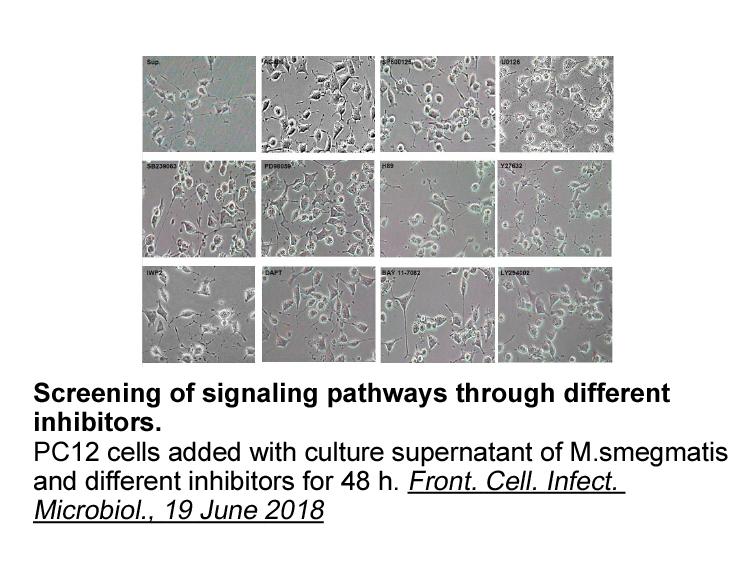
So what can we glean from this illuminative foray into how Chk1 and MK2 participate in checkpoint control? First and foremost, this work reveals that AG-014699 synthesis deficient in the tumor suppressor p53 contain two spatially distinct G2/M phase checkpoint control kinase networks. This provides
-
Fusion genes are formed as the
2021-06-10
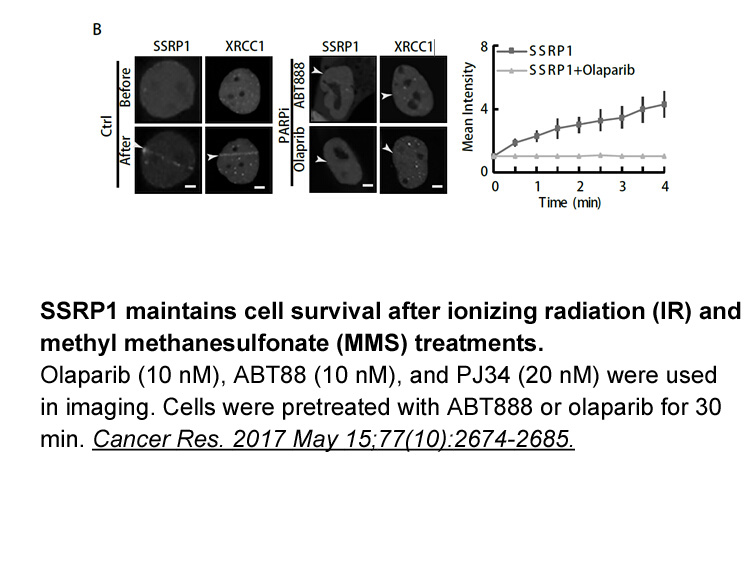
Fusion genes are formed as the result of either structural chromosomal rearrangement including, primarily, translocation, inversion, amplification and deletion, or non-structural aberrations caused by cis- and trans-splicing or transcriptional read-through. Such events are known to play important ro
-
br Cytochrome P monooxygenases Cytochrome P monooxygenases P
2021-06-10
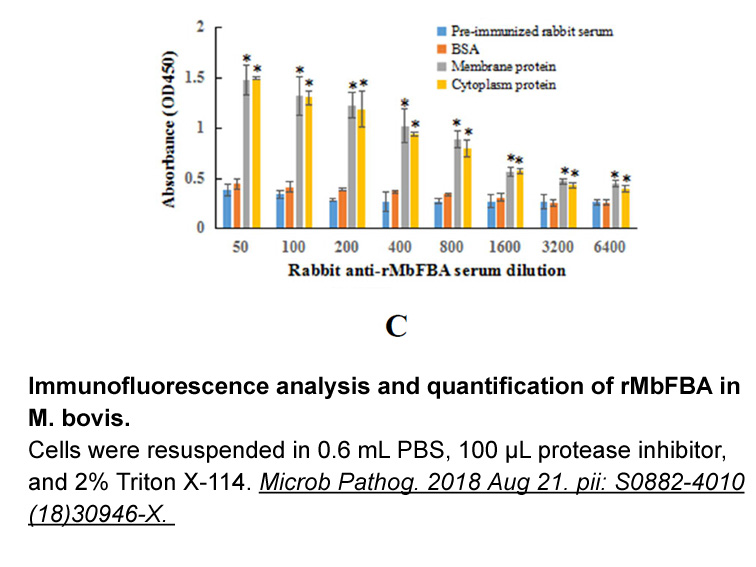
Cytochrome P450 monooxygenases Cytochrome P450 monooxygenases (P450s) belong to one of Nature’s most versatile group of enzymes for C–H functionalization and are able to perform challenging regioselective and stereoselective activations of remote, unactivated C(sp3)–H bonds, for which there are o
-
The total reduced glutathione content
2021-06-10
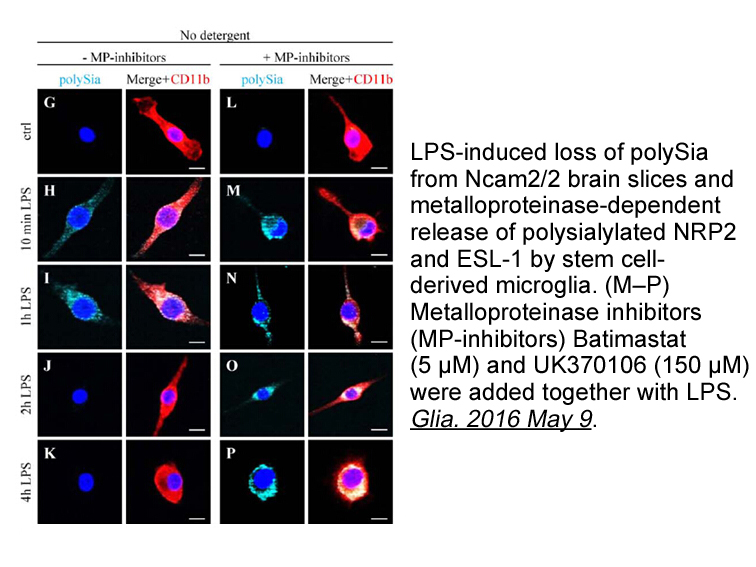
The total reduced glutathione content was determined in both TH287 to examine whether retinol was decreasing glutathione concentrations and thus decreasing the conjugation of NAPQI. Total hepatic (3.9±0.3 vs 4.9±1.0 μmol/g, retinol vs untreated, respectively) and renal (0.4±0.1 vs 0.2±0.1 μmol/g, r
-
br Authors contributions br Acknowledgements br Introduction
2021-06-09
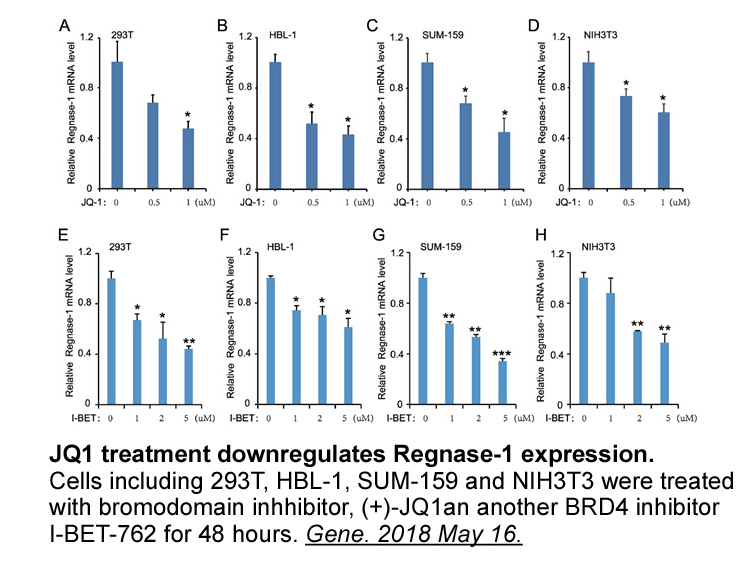
Authors’ contributions Acknowledgements Introduction Retinoic 1 646 is a key signalling molecule in healthy development and in differentiation of stem cells, albeit uncontrolled levels of retinoic acid can lead to mutagenesis [1]. In eukaryotes retinoic acid is made by oxidation of all-tra
16553 records 689/1104 page Previous Next First page 上5页 686687688689690 下5页 Last page