Archives
- 2026-06
- 2026-05
- 2026-04
- 2026-03
- 2026-02
- 2026-01
- 2025-12
- 2025-11
- 2025-10
- 2025-09
- 2025-03
- 2025-02
- 2025-01
- 2024-12
- 2024-11
- 2024-10
- 2024-09
- 2024-08
- 2024-07
- 2024-06
- 2024-05
- 2024-04
- 2024-03
- 2024-02
- 2024-01
- 2023-12
- 2023-11
- 2023-10
- 2023-09
- 2023-08
- 2023-07
- 2023-06
- 2023-05
- 2023-04
- 2023-03
- 2023-02
- 2023-01
- 2022-12
- 2022-11
- 2022-10
- 2022-09
- 2022-08
- 2022-07
- 2022-06
- 2022-05
- 2022-04
- 2022-03
- 2022-02
- 2022-01
- 2021-12
- 2021-11
- 2021-10
- 2021-09
- 2021-08
- 2021-07
- 2021-06
- 2021-05
- 2021-04
- 2021-03
- 2021-02
- 2021-01
- 2020-12
- 2020-11
- 2020-10
- 2020-09
- 2020-08
- 2020-07
- 2020-06
- 2020-05
- 2020-04
- 2020-03
- 2020-02
- 2020-01
- 2019-12
- 2019-11
- 2019-10
- 2019-09
- 2019-08
- 2019-07
- 2019-06
- 2019-05
- 2019-04
- 2018-07
-
Triphosphate structure and function In our previous study we
2024-09-28
In our previous study we found that the total activity of aldehyde dehydrogenase in cancer Triphosphate structure and function of RCC is at the same level as in normal renal tissue [10]. These findings are similar to our results in serum patients with renal cancer. There is no significant difference
-
Our previous study revealed expression of AhR in human
2024-09-28
Our previous study revealed expression of AhR in human parotid gland in cytoplasm of striated duct LDN193189 australia (Drozdzik, Kowalczyk, Urasińska, & Kurzawski, 2013). In a further study we observed regulation of AhR expression and function by its specific inducer, i.e. 2,3,7,8-tetrachlorodiben
-
An important observation in our study is the
2024-09-28
An important observation in our study is the lack of effect of paroxetine pretreatment alone on β2AR membrane expression, which suggests that paroxetine, and pharmacologic inhibition of GRK2 in general, does not directly induce changes in receptor dynamics. Rather, the decreased ligand-induced β-arr
-
Streptomycetes are a group of filamentous Gram positive soil
2024-09-27
Streptomycetes are a group of filamentous Gram-positive, soil-inhabiting bacteria which have captured enormous screening interest because of their ability to produce and secrete a variety of fak inhibitor and extracellular proteins [7]. Among the diverse antibiotics produced by Streptomycetes are t
-
In conclusion we have demonstrated that
2024-09-27
In conclusion, we have demonstrated that ,-diaryl-1-pyrazolo[3,4-]pyrimidine-3,6-diamines represent a novel class of ACK1 inhibitors. The presence of a polar substituent at C-4 of the N-6 aryl ring was shown to be unnecessary for maintaining high levels of inhibitory activity. Furthermore, selectivi
-
Osteocytes the most abundant cells
2024-09-27
Osteocytes, the most abundant cells in an adult skeleton, are essentially mature osteoblasts that are surrounded by the products they secreted (Noble and Reeve, 2000). Osteocytes serve as mechanosensors that direct bone remodeling and that regulate the activities of osteoblasts and osteoclasts (Bone
-
The gene SRD A encodes the reductase
2024-09-27
The gene SRD5A2 encodes the 5-α-reductase enzyme, which converts testosterone into dihydrotestosterone. Although dihydrotestosterone levels are considerably lower than testosterone, dihydrotestosterone has a five-fold stronger binding capacity to the androgen receptor and, thereby, a considerably mo
-
br The cytochrome P enzyme
2024-09-27
The cytochrome P450 enzyme 17α-hydroxylase/17,20-lyase (P450) is involved in the production of the C containing androgen precursors from the C containing steroids such as the pregnanes and progestins (). Steroids such as androstenedione (AD) and dehydroepiandrosterone (DHEA) are therefore synthesi
-
Moreover our present work suggests that AXL could
2024-09-27
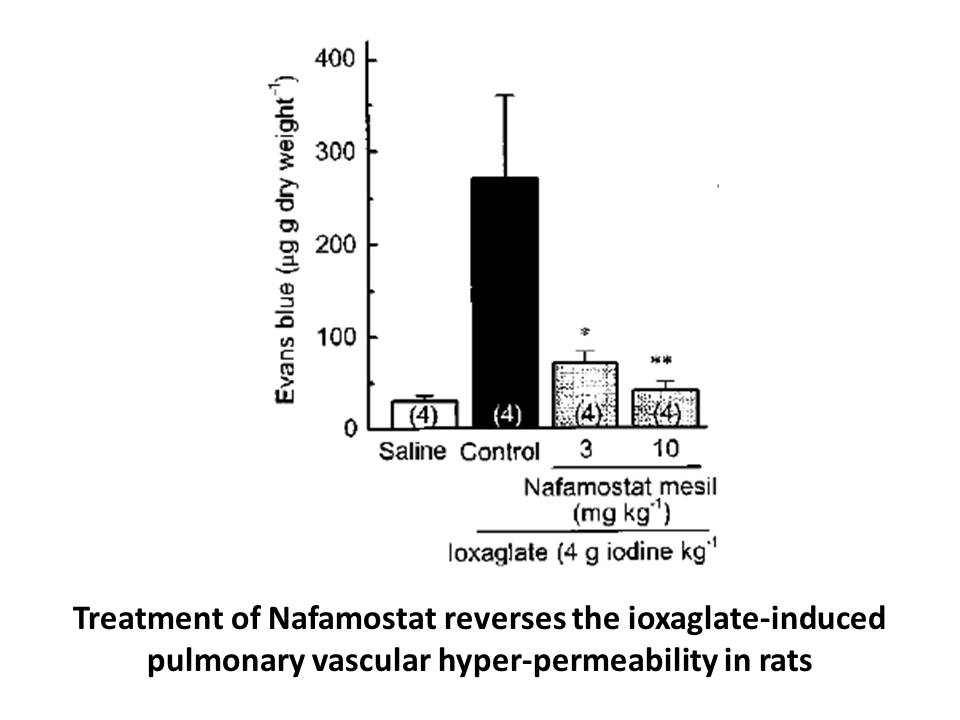
Moreover, our present work suggests that AXL could be a modulator of sunitinib response, at least for cell lines that present high endogenous levels of this RTK activation, since we observed an increased responsiveness to sunitinib in glucose transport proteins activated with AXL receptor ligand. A
-
During preparation of this manuscript some studies investiga
2024-09-27
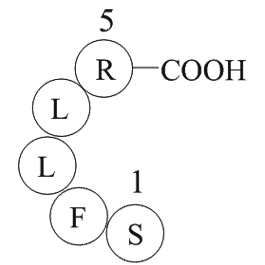
During preparation of this manuscript, some studies investigating effects of Sunitinib on Axl activity in renal cancer have been published [44], [45], [46], [47]. However, there are several important considerations to take into account interpreting results of these studies. First, Sunitinib doses th
-
It has been shown that ACLY is localized to not
2024-09-27
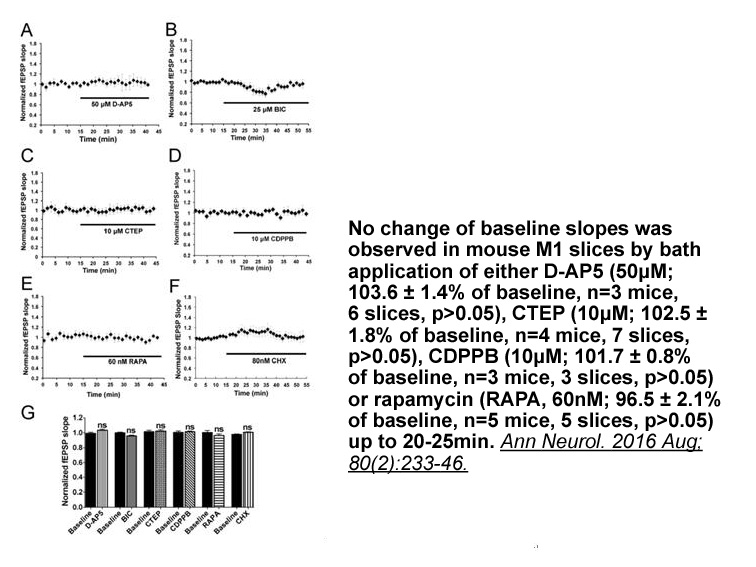
It has been shown that ACLY is localized to not only the cytoplasm but also the nucleus. Nuclear ACLY may supply acetyl-CoA for histone acetylation, leading to global regulation of the gene expression [16], [18]. We previously reported that AZ2 is also localized to both the cytoplasm and nucleus whe
-
The uterine muscle also changes to meet
2024-09-27

The uterine muscle also changes to meet the demands of pregnancy. Over the course of pregnancy, the myometrium undergoes structural remodeling to accommodate a growing fetus, followed by a functional switch from quiescent to contractile characteristics for parturition. Studies on the mouse model ind
-
Further important evidence for G protein signaling on early
2024-09-27
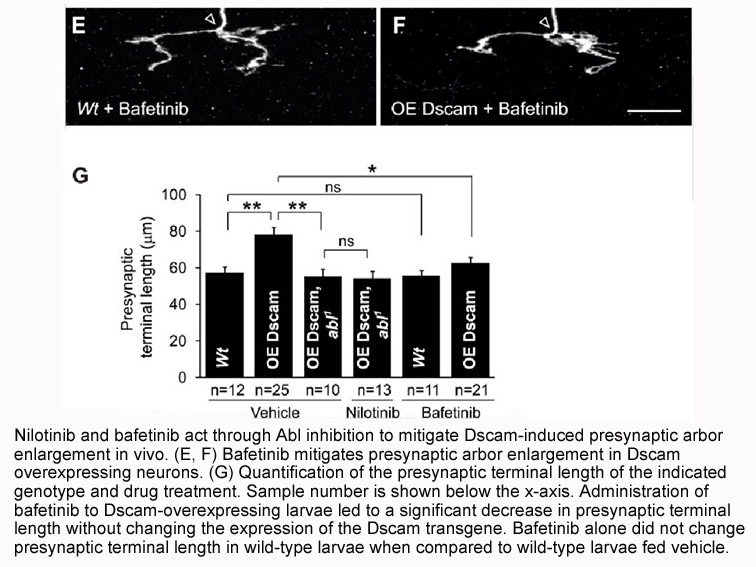
Further important evidence for G protein signaling on early endosomes has been subsequently obtained for the β2-adrenegic receptor using fluorescently-tagged conformation-sensitive nanobodies selectively recognizing the active receptor and Gs protein [43]. More recently, our group used a combinatio
-
Therefore the rational design of
2024-09-27
Therefore, the rational design of target compounds is based on the hybrid of attractive phenotypic bis-indole (5, Fig. 1) and sulfonamide moieties, in which the indole core might anticipate in hydrophobic interaction, and the functionality of sulfonamide group may involve in H-bonding with the site
-
br Acknowledgements This study was funded the Irish
2024-09-27

Acknowledgements This study was funded the Irish Department of Agriculture, Food and the Marine through the research program FIRM/RSF/CoFoRD (Reference: 13 F 462). The authors declare no conflict of interest. Introduction Radiotherapy (RT) is one of the major treatment methods among patients
16471 records 99/1099 page Previous Next First page 上5页 96979899100 下5页 Last page