Archives
- 2026-04
- 2026-03
- 2026-02
- 2026-01
- 2025-12
- 2025-11
- 2025-10
- 2025-09
- 2025-03
- 2025-02
- 2025-01
- 2024-12
- 2024-11
- 2024-10
- 2024-09
- 2024-08
- 2024-07
- 2024-06
- 2024-05
- 2024-04
- 2024-03
- 2024-02
- 2024-01
- 2023-12
- 2023-11
- 2023-10
- 2023-09
- 2023-08
- 2023-07
- 2023-06
- 2023-05
- 2023-04
- 2023-03
- 2023-02
- 2023-01
- 2022-12
- 2022-11
- 2022-10
- 2022-09
- 2022-08
- 2022-07
- 2022-06
- 2022-05
- 2022-04
- 2022-03
- 2022-02
- 2022-01
- 2021-12
- 2021-11
- 2021-10
- 2021-09
- 2021-08
- 2021-07
- 2021-06
- 2021-05
- 2021-04
- 2021-03
- 2021-02
- 2021-01
- 2020-12
- 2020-11
- 2020-10
- 2020-09
- 2020-08
- 2020-07
- 2020-06
- 2020-05
- 2020-04
- 2020-03
- 2020-02
- 2020-01
- 2019-12
- 2019-11
- 2019-10
- 2019-09
- 2019-08
- 2019-07
- 2019-06
- 2019-05
- 2019-04
- 2018-07
-
The data from drug screening in
2020-06-11
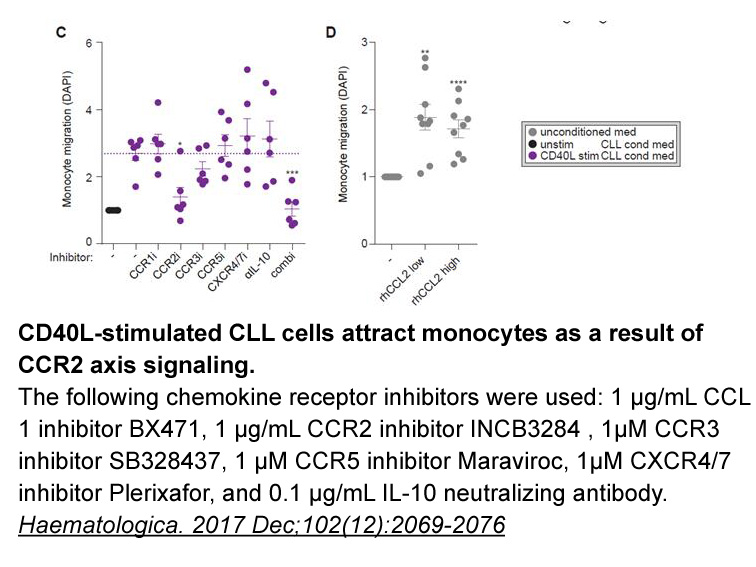
The data from drug screening in P. berghei (Fig. 3D) provide proof of concept that chemogenomic profiling can be accomplished in P. berghei in the same manner as P. falciparum, in that significant increases in the EC50 ratio were found only for antifolate drugs in the parasite with attenuated TgDHFR
-
These data indicate that in
2020-06-10
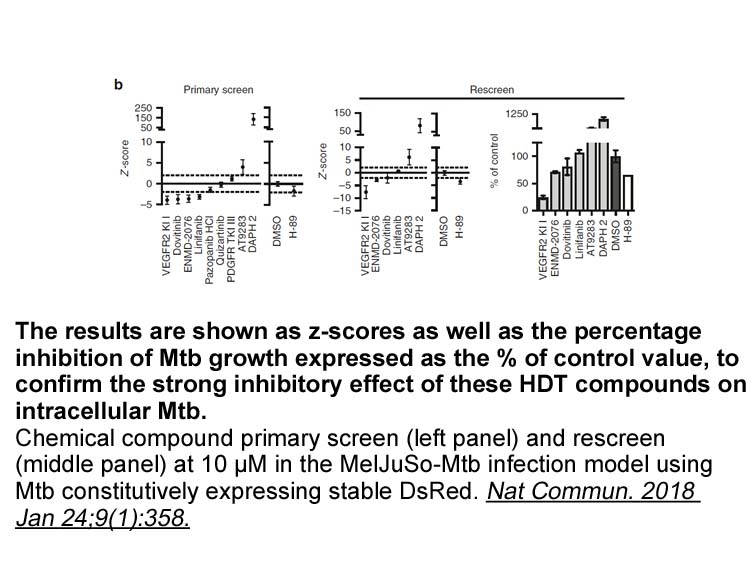
These data indicate that, in the context of the N-terminal 42 amino acids of p53, threonine 18 is a substrate for phosphorylation by CK1 as mediated by prior phosphorylation of serine 15. To determine whether this is a property of full length p53, GST-p53 fusion proteins comprising the full length p
-
Finally naringin and hesperidin have
2020-06-10
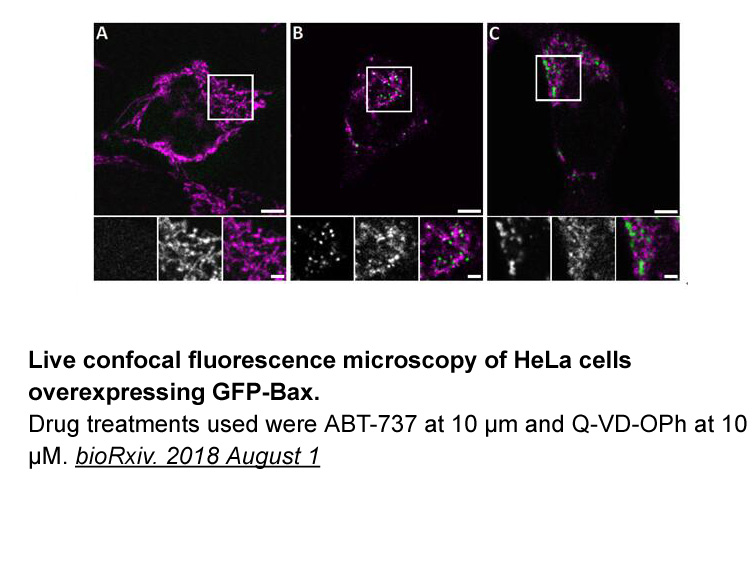
Finally, naringin and hesperidin have different glycosidic moieties (neohesperidose α-1,2 and rutinose α-1,6 respectively), bound in the same C7 position on the A ring of the flavonoid. The higher value of k/KM of RHA-Phis towards the former substrate suggests that the enzyme shows a preferential hy
-
Fujimoto et al pointed out that RPN knockout
2020-06-10
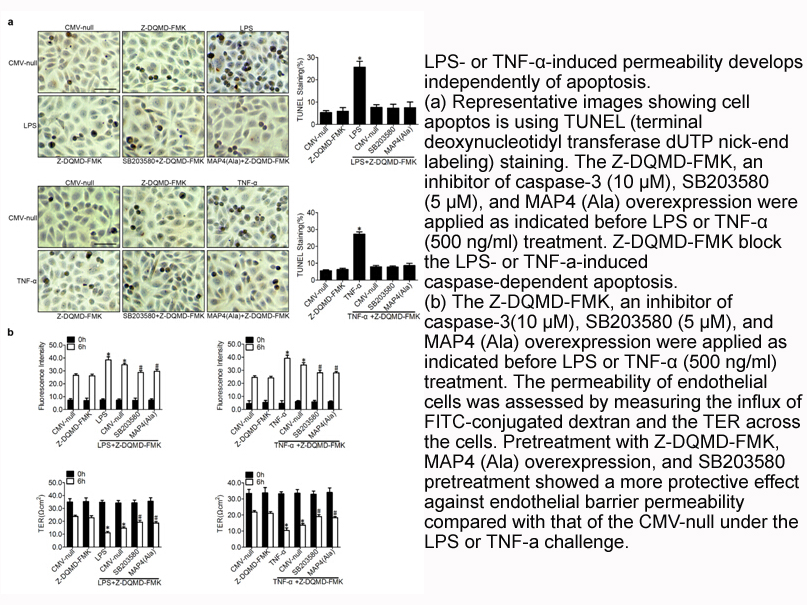
Fujimoto et al. pointed out that RPN2 knockout alleviated the resistance of GC rude to the waiter (MKN74 and KATO III) to docetaxel and DDP [23]. Yuan et al. demonstrated that the depletion of RPN2 resulted in the reduction in resistance of GC cells to drugs such as irinotecan, docetaxel, doxorubic
-
Colistin Methanesulfonate sodium salt The H E staining and N
2020-06-10
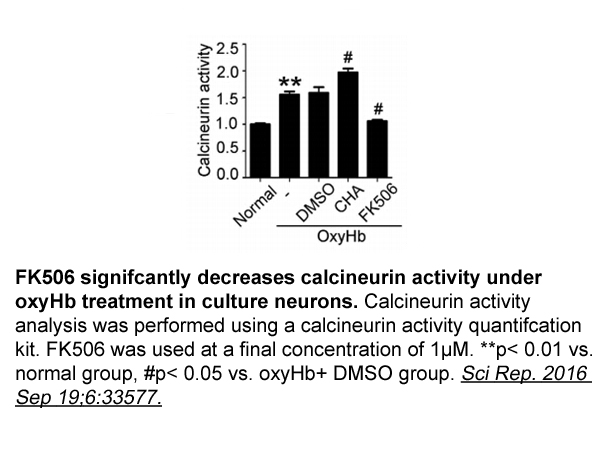
The H&E staining and Nissl staining results showed that damage to the pyramidal neurons in the CA1 and CA3 regions of the hippocampus were observed in the 50 mg/kg/day DBP group, accompanied by an absence of Nissl bodies, suggesting that DBP exposure can lead to pathological changes in the neurons o
-
EP is the major receptor to mediate PGE
2020-06-10
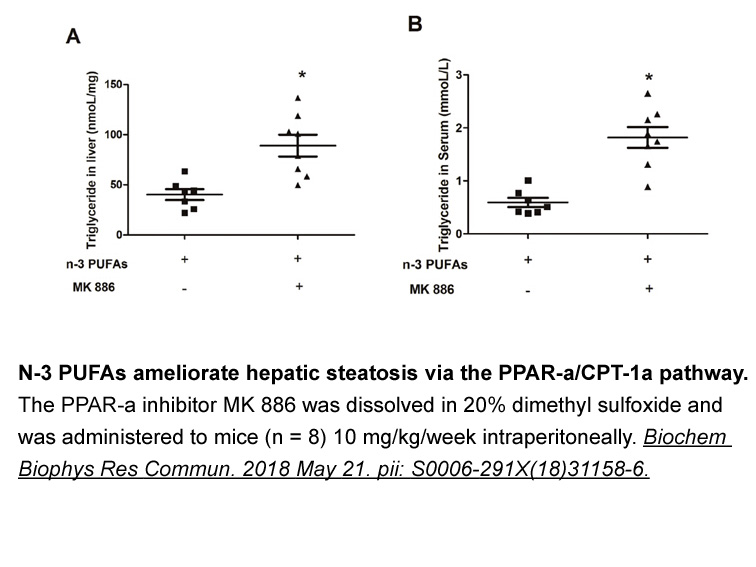
EP4 is the major receptor to mediate PGE2-induced inflammatory pain. EP4 is upregulated by Isoxsuprine hydrochloride in DRG neurons [16]. Intrathecal injection of the EP4 agonist produced pain responses [25]. Either systemic or local injection of EP4 antagonists relieves inflammatory pain [3], [16],
-
br Results br Discussion The ubiquitin system has in recent
2020-06-10
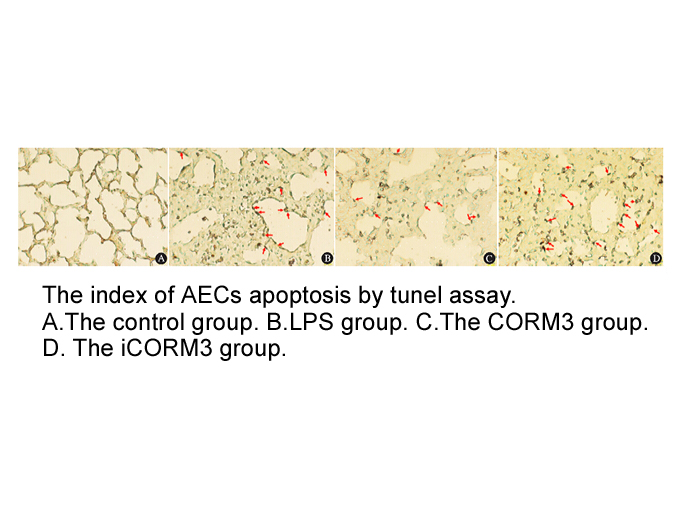
Results Discussion The ubiquitin system has in recent years become an exciting area for drug discovery (Cohen and Tcherpakov, 2010), as multiple enzymatic steps within the ubiquitylation process are druggable. The potential of targeting the ubiquitin-proteasome pathway was first demonstrated i
-
MicroRNA miRNA is a class
2020-06-10
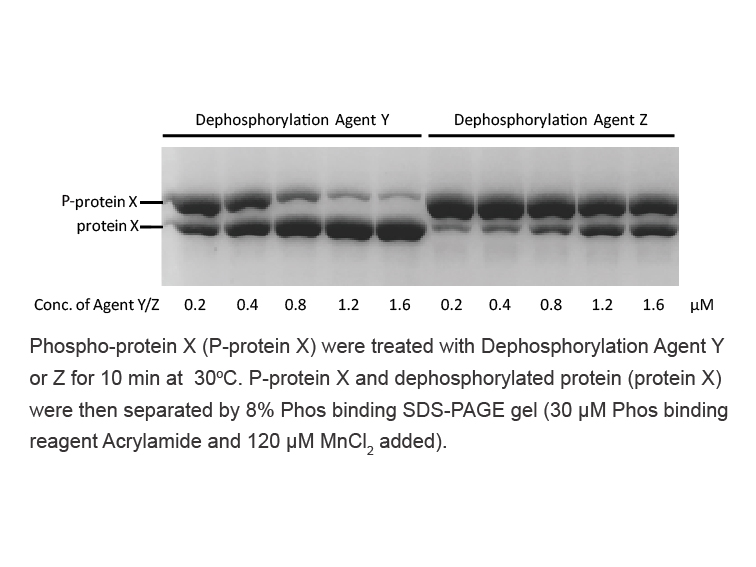
MicroRNA (miRNA) is a class of highly conserved, non-coding small molecules containing 19–25 nucleotides. miRNAs are involved in the regulation of genes associated with cancer development and progression and therefore can act as oncogenes, by contributing to tumor formation,17, 18 or as tumor suppre
-
As before all calculations are based on thermodynamically
2020-06-10
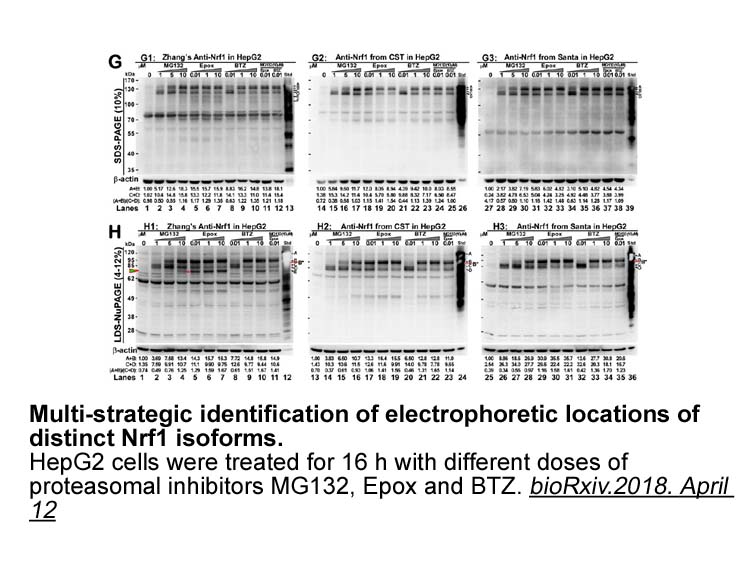
As before [3], [4], all calculations are based on thermodynamically first- and second-order hydropathic (amino acid) scales [6], [7], linearly scaled to a common center and a common range for each of the 20 amino acids. These are then converted to a triangular matrix , where is the length of a s
-
Egr together with catecholamine biosynthetic enzymes
2020-06-10
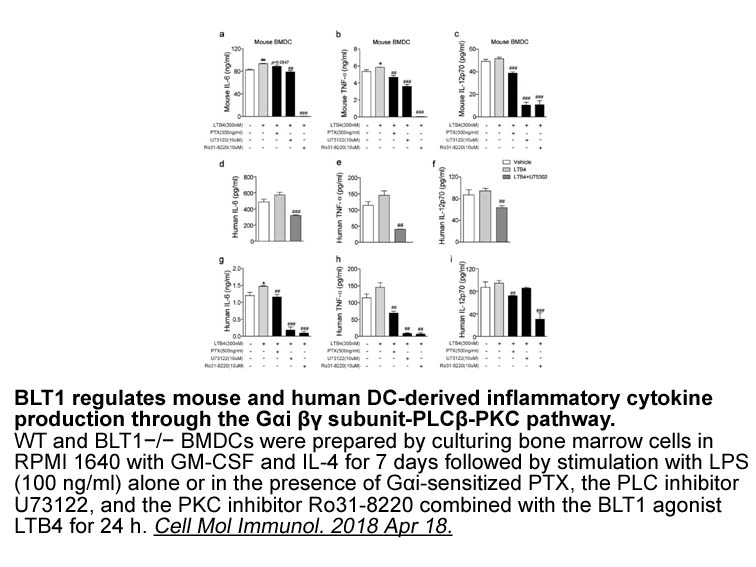
Egr1, together with catecholamine biosynthetic enzymes, such as tyrosine hydroxylase (TH), dopamine β-hydroxylase (DBH), and phenylethanolamine N-methyltransferase (PNMT), is induced in adrenal medulla by different types of stress (Liu et al., 2005, Morita et al., 1996, Nankova et al., 1993, Papanik
-
This study evaluated the role of SERT in classica http
2020-06-10
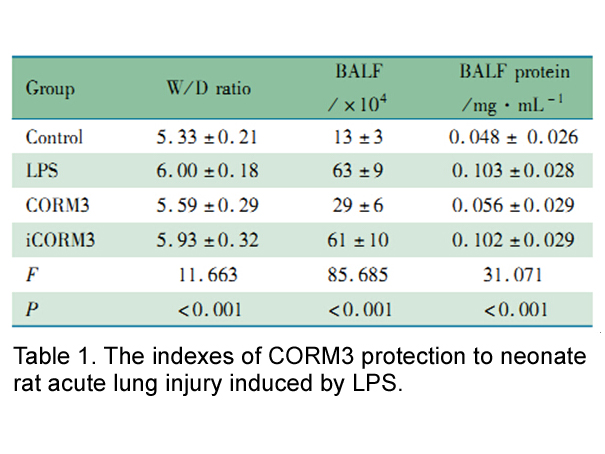
This study evaluated the role of SERT in classical fear conditioning using a SERT knockout rat model. We found a clear disruption of cue-conditioned fear in SERT−/− rats, as measured with the fear-potentiated startle. This disruption was due to a deficit in fear acquisition and was accompanied by de
-
Moreover in this study weak expression
2020-06-09
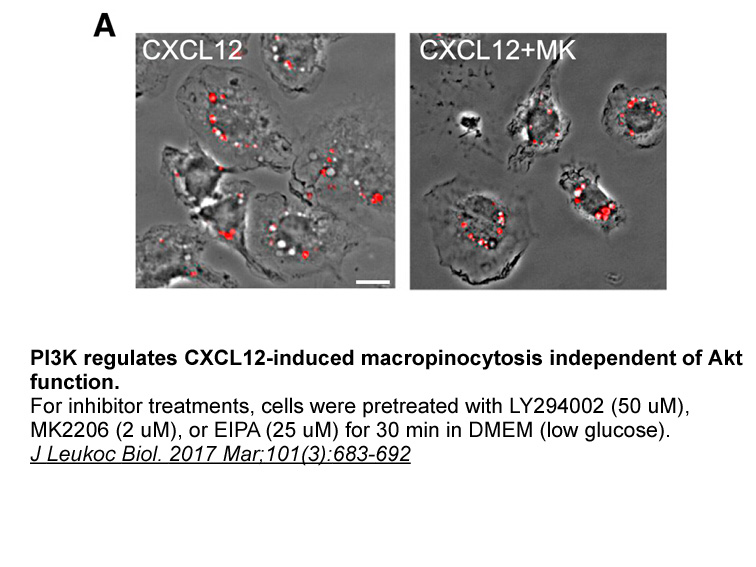
Moreover, in this study, weak expression of MT1 and MT2 was also detected in the oviduct muscular layers. Although there are no reports regarding the role of MT1 and MT2 in oviduct muscular layers, previous studies have demonstrated that melatonin plays an important role in the uterine contractility
-
Geneticin As before all calculations are based on thermodyna
2020-06-09
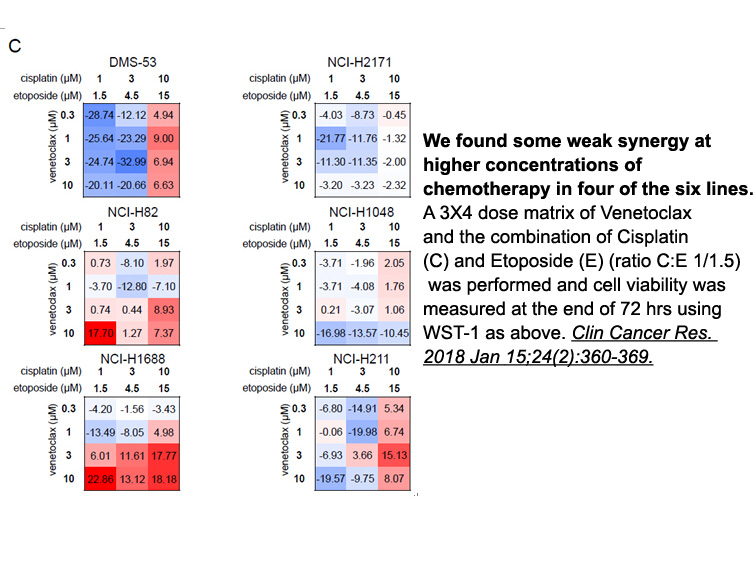
As before [3], [4], all calculations are based on thermodynamically first- and second-order hydropathic (amino acid) scales [6], [7], linearly scaled to a common center and a common range for each of the 20 amino acids. These are then converted to a triangular matrix , where is the length of a s
-
br Are incretins the only mediators of the
2020-06-09
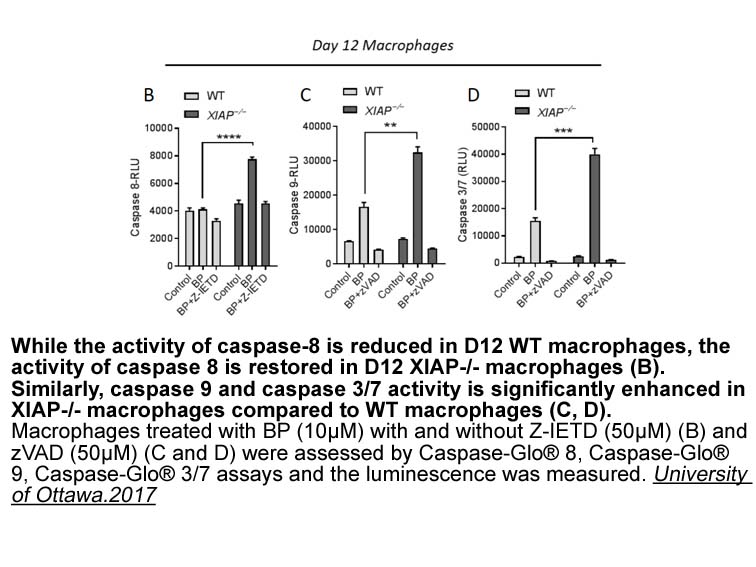
Are incretins the only mediators of the anti-hyperglycaemic effects of DPP-4 inhibitors? Even though both GLP-1 and GIP were identified as substrates for DPP-4 early on [17], [19], [20], [22], and DPP-4 inhibition in vivo raises levels of the intact endogenous forms of both of them [43], [44], fr
-
br Materials and methods br Results Artemis
2020-06-09

Materials and methods Results Artemis has been reported to possess 5′–3′ exonuclease activity in vitro on ssDNA, as well as DNA-PK-dependent endonuclease activity on single-strand overhang and hairpin DNA structures [11]. However, enzymes within the metallo-β-lactamase family typically contain
16366 records 872/1092 page Previous Next First page 上5页 871872873874875 下5页 Last page